
{april} rooted rhythms: living with your inner seasons
In my early 20s, I used to double over in pain with the onset of my menstrual cycle. My uterus seemingly twisting into itself and internally punching into me. Worst of all, it'd creep up on me in the middle of the night, and I'd writhe for hours until that ibuprofen finally kicked in.
I read that somewhere between 20–40% of women in the United States experience moderate to severe PMS symptoms that can affect daily life. It is also quite common to receive texts from private female clients a few hours before their scheduled session that they are suffering from period cramping, and unable to make it to our session.
Yet, as I learned a couple of years later, having this amount of cramping and pain at the onset of my period was common, but not normal.
We see it everywhere in memes, satire, and comedy skits. And while the humor is meant to be relatable, it further normalizes an experience that deserves more critical investigation.
My own turning point came through Ayurveda — and through learning that my body had its own inner rhythm I had never been introduced to. To understand that rhythm, we have to go back to something older.
A Return to Ancient Wisdom
Long before the modern concept of time and clocks, humans lived according to the rhythms of both the sun and the moon.
The sun governed our daily activities of waking and sleeping, of eating and working, of being productive and being leisurely.
But underneath the more obvious, intense rhythms of the sun (the circadian rhythm), there is a softer, gentler, and quieter rhythm — that of the moon’s.
The moon, running on approximately a 29.5 day cycle, waxes and wanes between new and full moon in this period. It is long believed and felt that the moon, like its counterpart the sun, has its influences on us. Of the most obvious is its gravitational effects on the tides and currents of our oceans on Earth. In Vedic astrology, it is believed that the moon governs the mind. Even the word lunatic has the root luna, meaning “moon,” indicating the old observation where the moon influences the stability of the mind.
It is further believed that, when women are attuned to and living in accordance with the rhythms of nature, her menstrual cycles sync up with the phases of the moon. Hence, the terms “moon cycle” or “moon time” are often used to describe women’s menstruation cycles.
This April at ĀN Yoga, we return to that older rhythm — a Rooted Rhythm. We explore what it means to structure our lives not against the current of our bodies, but with it. When we live in accordance to these inner rhythms, we can learn how to lean into our inner wisdom and harness our outward energy at the right moments.
When we start to understand and appreciate our inner rhythms, we let go of the ideology that our energy must function the same every single day. That type of thinking is a very masculine, sun-oriented framework.
Women, with our complexities, tend to run more in harmony with the moon rhythms — ones that are slower, yes, but also more powerful in ways when we learn to ebb and flow with them.
Whether you are still moving through the full arc of the menstrual cycle, or are past the primary bleeding periods of your life and are now listening for subtler seasonal whispers, this month's practices invite you to attune, to ask what your body is asking for, and to answer it with care.
If you would like to explore this with guidance and community, this is exactly what we practice together at ĀN Yoga. You are welcome to join us here.
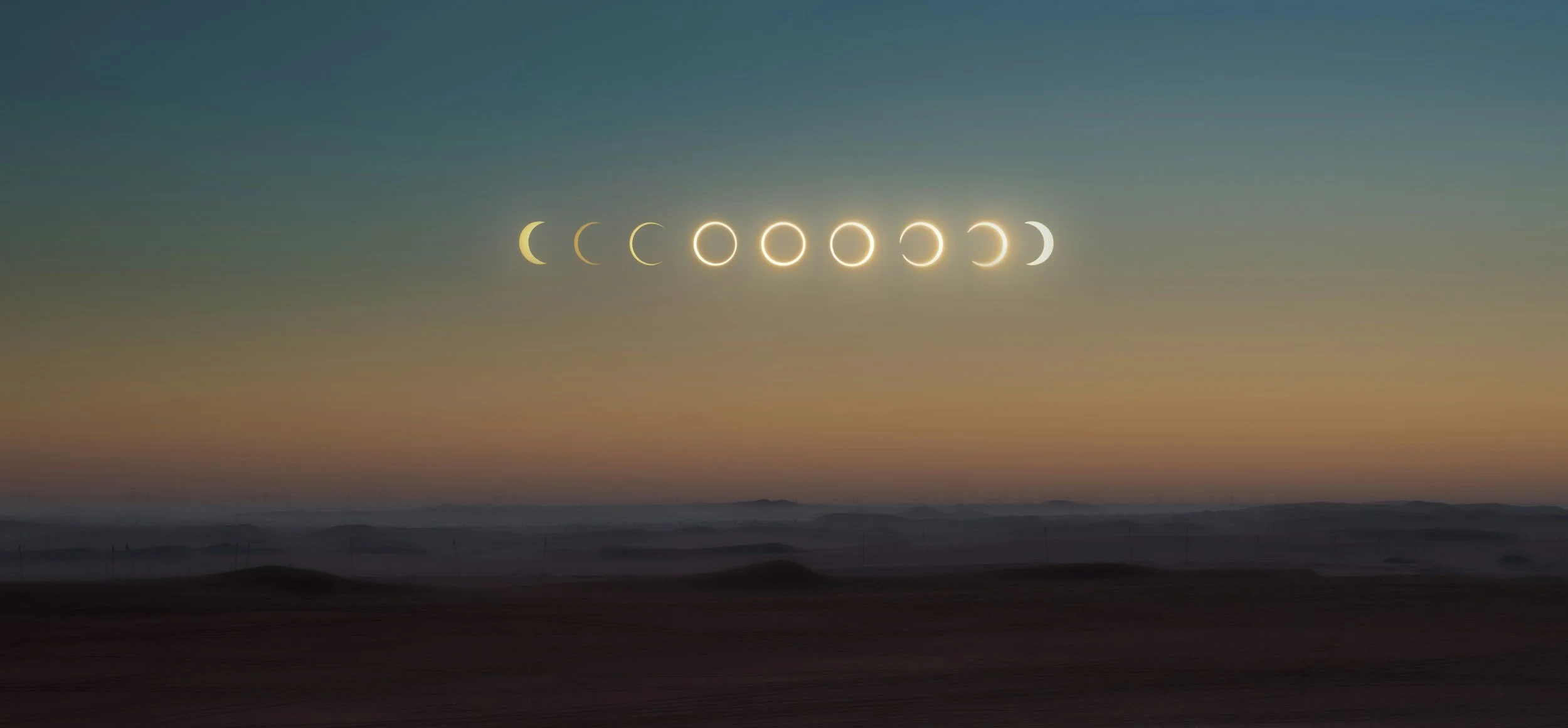
The Four Seasons (Rhythms)
From here on out, I will be referring to each phase of the menstrual cycle as "seasons," borrowed and inspired by Ayurvedic traditions.
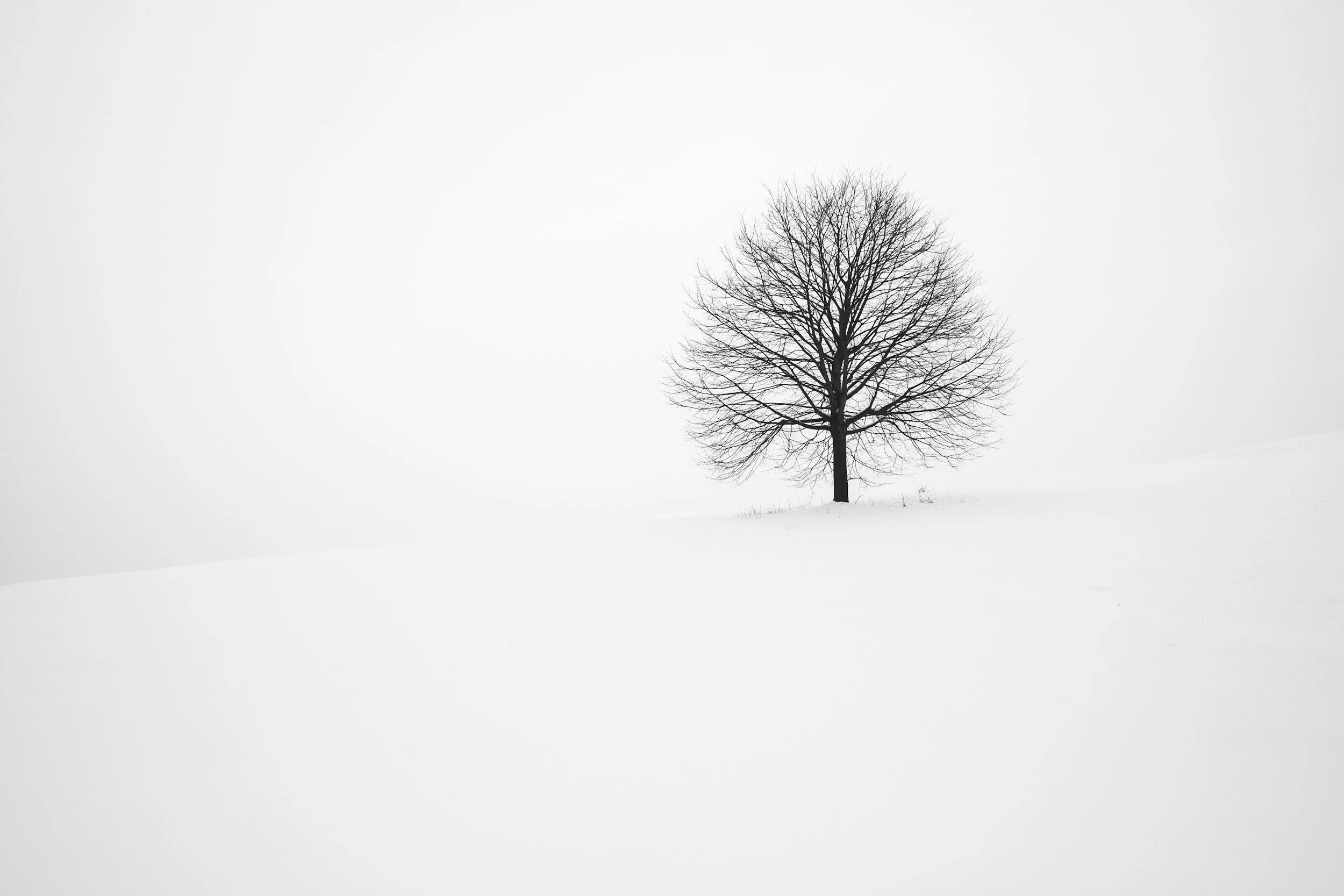
Winter (bleeding phase)
This is the phase when most women try to push through the tiredness, the body's call to rest. And instead, stick a tampon (excuse the more graphic description) in and continue on with their days as if nothing is happening.
I get it. There's an empowerment aspect to this where we are showing the world that women can do anything and everything like men do, even when we're bleeding.
Yet, that tiredness and that call to rest more? That is your body's inner wisdom.
During this phase, your body is actually working hard in dispelling the bodily materials that it built up throughout the latter half of the month in preparing for fertilization and implantation (of an embryo to later develop into a fetus).
Like winter, where nature slows and even pauses, where energy is no longer turned outwards but rather inwards, your body during this phase of the cycle is doing the same. It is shedding the residual and clearing the fields in preparation for spring.
It is the time for warm foods and beverages, earlier nights, longer sleep, slower days, fewer obligations, and inward reflections.
Yoga can support your inner winter season with slow and restorative practices that support your pelvis and sacrum, keep your womb warm, and ease tension through your spine. I tend to favor lots of reclining poses, with lots of propping to support the body, and resting a little longer in each pose. Supported savasana with legs on chair, Spinal Release yoga, and humming breath come to mind when I think inner winter.
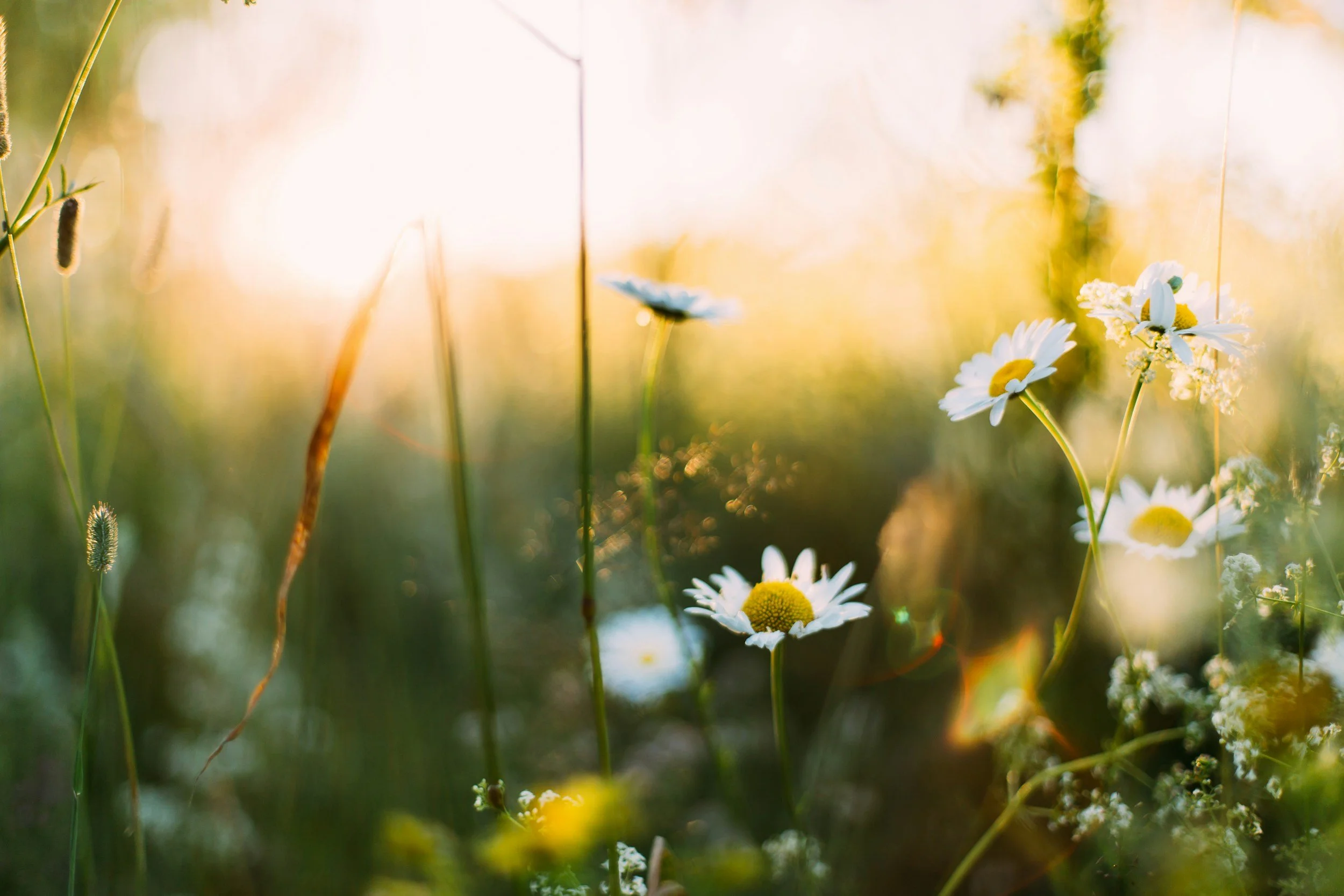
Spring (follicular phase)
Like the arrival of spring, you will feel your energy slowly returning. You might notice yourself wanting to reach out to a friend you haven't spoken to in a while, or feeling a pull toward a creative project.
This is also the time to plan. If you have a presentation to prepare, a creative project to begin, or a decision to make, spring is when your mind is most receptive and generative. Not the peak output of summer, but the fresh, unhurried beginning of things.
Your body may call for more activity and more time outdoors. Answer that call.
As your inner spring steadily progresses, this is the time when most women feel more energized and more confident in themselves with each passing day.
This is the period for lighter yet still nourishing foods. Perhaps adding extra servings of bright leafy sautéed greens, and choosing fish and plant-based protein over heavier meats.
Yoga in this season follows that same gentle arc of increasing warmth. I love moving through slow sun salutations here, feeling the spine wake up with fluid, unhurried motion. Standing poses like low lunge and Warrior I begin to return, building a quiet sense of strength and stability. Gentle twists help wring out any residual stagnation from winter, and soft backbends invite the vital energy back in. For breath work, warming pranayamas like surya bhedana, nadi shodhana, or ujjayi support the body's natural rising energy.
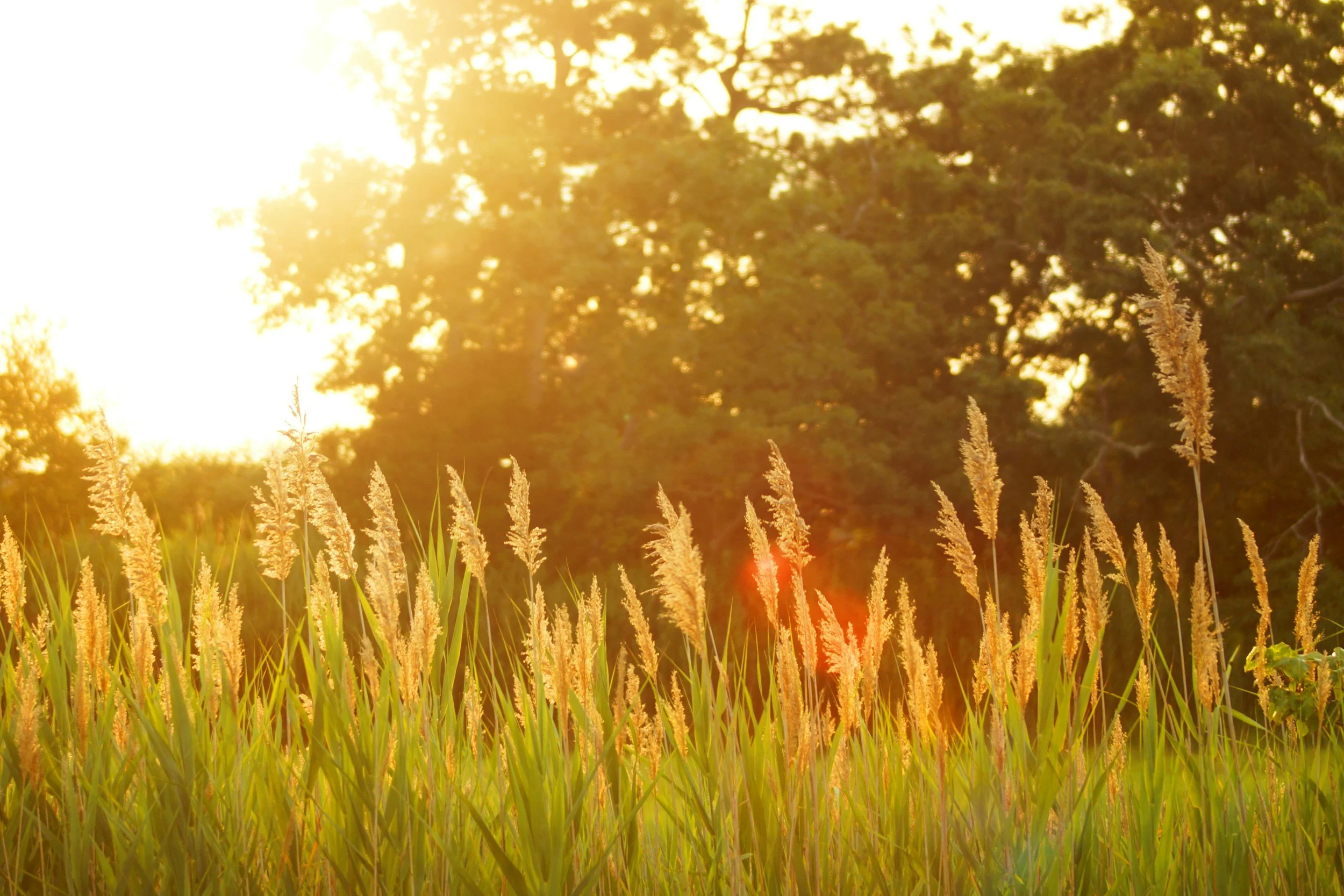
Summer (ovulation)
Ovulation is the shortest of the four phases, and yet it carries the fullest energy of the cycle. Estrogen peaks, and your body is naturally running warmer. You are likely at your most social, most articulate, and most connected to the people around you. This is the time to schedule the meeting, host the gathering, give the presentation, or have the difficult conversation you have been putting off. Your words come more easily here, and your confidence tends to follow.
This is also the time when most women feel most comfortable in their bodies. Lean into that. Wear that cute or sexy dress. Do your hair. Adorn yourself.
The temptation in inner summer is to say yes to everything because everything feels possible. And while that energy is real and worth honoring, the work of summer is maintaining rather than escalating. Your body is already running warmer than usual — adding more heat is not what it needs. Think of it as tending a fire that is already bright. Your job is to keep it steady, not stoke it further.
One common pitfall that I find within myself, is that I overschedule myself for the rest of the month while running high on this summer energy. It is easy to fall into that enthusiasm, so it is wise to consult with your calendar and leave some white spaces for the rest of the month.
For nourishment, favor cooling and hydrating foods — cucumbers, coconut, leafy greens, and herbal teas. Heavy, warming meals are best saved for another season.
On the mat, Warrior poses with longer holds and even, measured breath suit this phase well. If the energy calls for something more dynamic, a flowing vinyasa can feel wonderful here, but always pair it with a cooling sequence. For breath work, chandra bhedana, sitali, or sitkari are your allies — cooling and balancing. Even-ratio breathing helps keep the nervous system steady.
Fall (luteal phase)
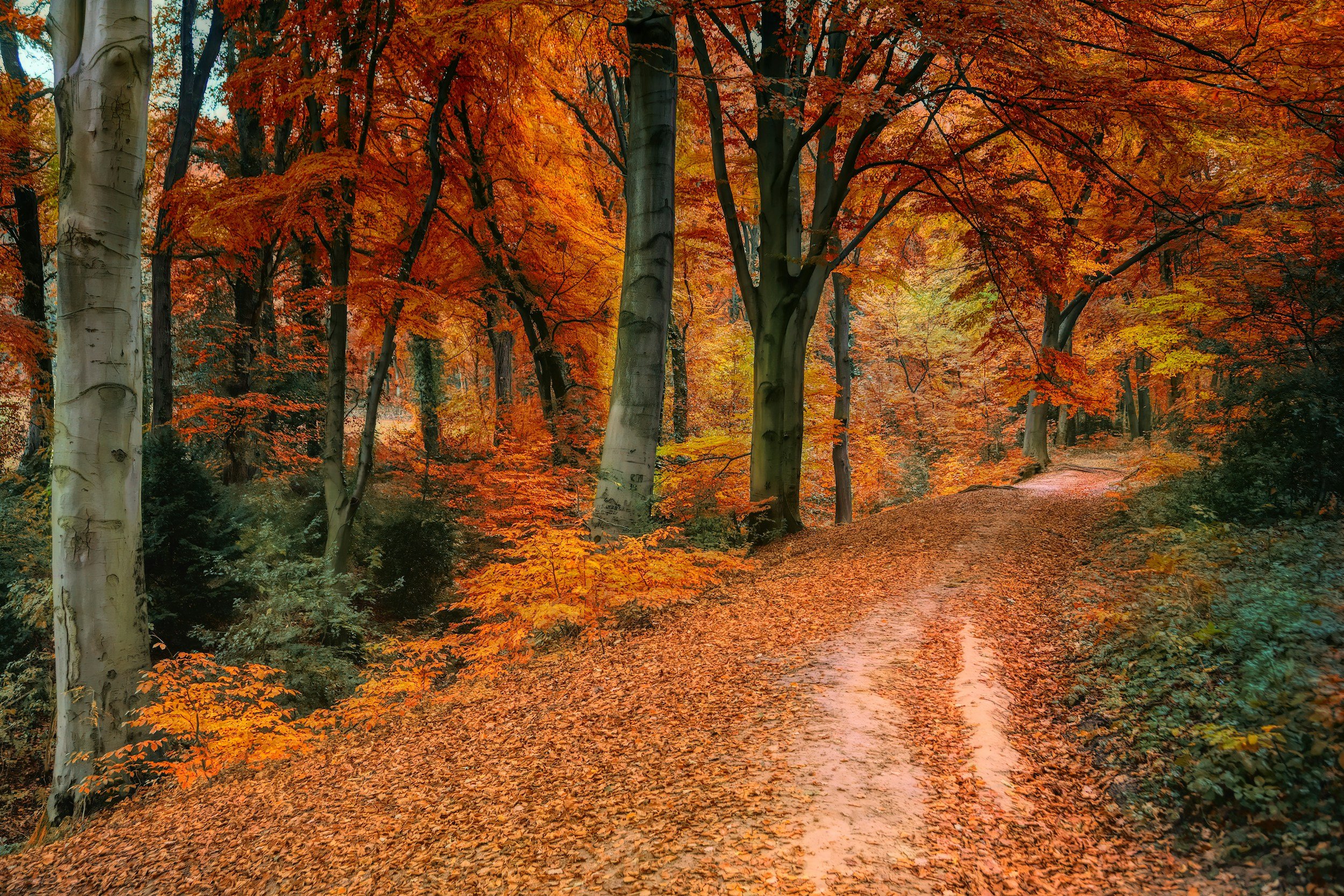
Fall is the longest of the inner seasons, spanning roughly the final ten days before bleeding begins. You may find yourself feeling more inward, more sensitive, and less interested in the social energy that came so naturally in summer.
This is the phase most women fight the hardest. The energy and the enthusiasm from summer fade, and the emotional sensitivity that arrives with fall can feel inconvenient at best and overwhelming at worst.
But again, this is your body's inner wisdom speaking. The heightened emotions and the urge to withdraw are your body's way of asking you to complete rather than begin, to edit rather than create, to clear rather than accumulate.
This is the season to finish the projects you started in spring, tie up loose ends, and begin releasing what no longer needs to come with you into winter. Think of it as an inner harvest — gathering what has ripened and letting the rest go.
It is also worth noting that this is when many women experience premenstrual symptoms. While some degree of discomfort is common, significant PMS is often a signal that something in the cycle — sleep, nourishment, stress load, or overextension in summer — needs tending. Your body is rarely wrong.
I know this firsthand. When I finally understood my own cycle — and began shaping how I practiced yoga, structured my weeks, and nourished my body accordingly — my PMS symptoms gradually subsided over time. Today, I might feel mild fatigue the day before my bleed, some bloating, and little to no cramping. On months when symptoms flare, I can nearly always trace it back to a stretch of weeks where I pushed too hard, asked too much of my body.
Because here's what's true: during the bleeding phase, the body isn't idle. It is working — shedding old layers, tilling the soil, preparing the field for what comes next.
The least we can do is honor that with rest, warmth, and nourishment.
For nourishment, return to warming, grounding foods — root vegetables, soups, cooked grains, and warming spices. Raw salads and cold smoothies can wait for another season.
On the mat, standing and seated forward folds help the body soften and turn inward. Side stretches create spaciousness for the spine that might otherwise start to feel a bit withered. In this season, I favor upper spinal twists that keep the belly and womb open rather than compressed. Warrior poses with long, even breaths offer grounding without overstimulation. As fall deepens toward winter, supported restorative poses become increasingly welcome. For breath work, exhale-dominant practices — extended exhale breathing, nadi shodhana, or humming breath — help settle the nervous system and ease the emotional texture of this season.
When the Inner Seasons Shift
For women in perimenopause or menopause, the monthly rhythm of the inner seasons may no longer be as clear or consistent as it once was. Cycles may become irregular, unpredictable, or absent altogether. The familiar map of winter, spring, summer, and fall can begin to feel less like a reliable guide and more like a language your body is slowly moving away from.
This does not mean you have lost your rhythm. It means your rhythm is changing — and in Ayurveda, that change has a name.
In Ayurvedic tradition, the years of perimenopause and menopause are considered a Vata season of life. Vata is one of the three doshas, or fundamental energies, that govern the body and mind. It is characterized by the qualities of air and space — light, cool, dry, and mobile. When Vata is in balance, it brings creativity, intuition, and a heightened sensitivity to the world around you. When it is out of balance, it can manifest as anxiety, restlessness, disrupted sleep, dryness, and a feeling of being unmoored.
Sound familiar?
The wisdom of this life phase is not in pushing through these shifts, but in learning to work with them. Vata is balanced by its opposites — warmth, grounding, nourishment, and steady routine. This means favoring warming, oily, and nourishing foods over raw and cold ones. It means creating rhythms and rituals that anchor the nervous system, even simple ones like a consistent bedtime or a short daily practice. On the mat, slower and more restorative practices serve you far better than dynamic or vigorous ones — not because you are diminished, but because your body is asking for a different kind of tending.
This is also a season of wisdom and transition. The heightened sensitivity that Vata brings is not weakness. It is perception. Many women find that this phase of life, though challenging, brings a clarity about what truly matters and what no longer does. That clarity is worth honoring — and worth building a practice around.
At ĀN Yoga, our classes are designed with exactly this in mind — slow, warm, and grounding, for women at every season of life. Explore our classes here.
Frequently Asked Questions
What is cycle syncing in yoga?
Cycle syncing in yoga means adapting your practice to the four phases of your menstrual cycle — menstrual, follicular, ovulatory, and luteal — so that your movement, breathwork, and rest align with your body's natural hormonal rhythm rather than working against it.
What yoga is best during your period?
During menstruation, slow restorative practices are most supportive. Reclining poses, supported forward folds, sacral release postures, and humming breath help the body rest and release without adding strain. Inversions are best avoided during this phase.
Can I do yoga during perimenopause and menopause?
Yes. In Ayurveda, perimenopause and menopause are considered a Vata season of life, which calls for warming, grounding, and restorative yoga practices. Slower, more supported classes help balance the cool, mobile qualities of Vata and support the nervous system during hormonal transition.
What are the four inner seasons of the menstrual cycle?
The four inner seasons map to the four phases of the menstrual cycle: winter (bleeding phase), spring (follicular phase), summer (ovulation), and fall (luteal phase). Each season carries its own energy, needs, and recommended yoga and lifestyle practices.
What is a virtual restorative yoga studio for women?
A virtual restorative yoga studio offers live and on-demand yoga classes designed specifically for women, accessible from home. ĀN Yoga is a virtual sanctuary offering rest-based classes, nervous system support, and community for women who are ready to stop pushing through and start practicing in rhythm with their bodies.
How you can honor your rhythms
Living in accordance with your inner seasons is not about perfection. You will not always get it right, and there will be months where life simply does not allow for this kind of attunement.
And that is perfectly fine and okay.
The invitation is not to follow these rhythms rigidly, but to become curious about them — to begin noticing, perhaps for the first time, that there is nothing wrong with your energy being inconsistent. It is simply moving through its own natural cycle, as it always has.
If this resonates with you and you would like to experience what it feels like to practice yoga in tune with your body's rhythms, I have included below, a free, shorter practice suitable for your inner fall or winter.
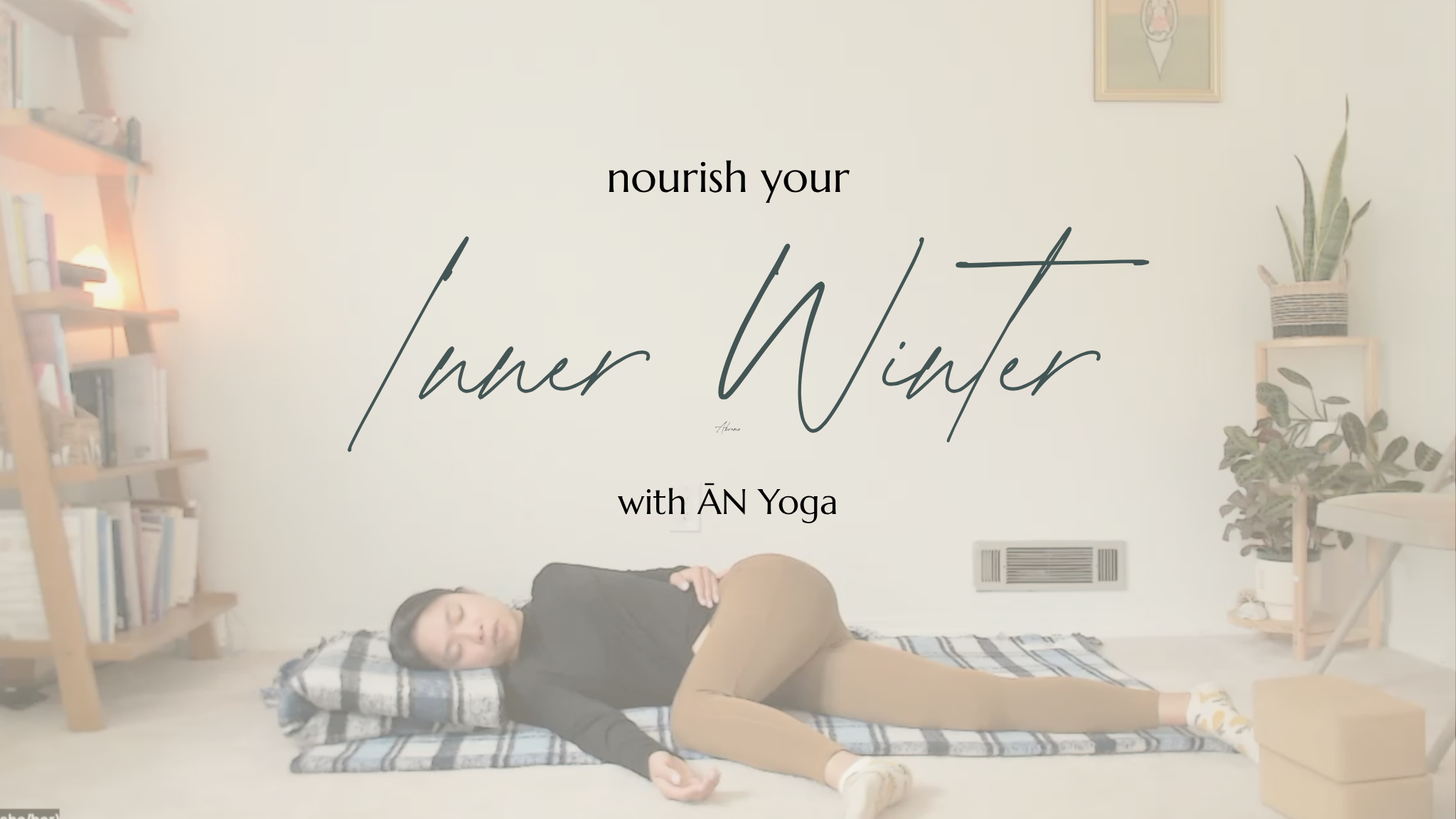
This short class is suitable regardless of the inner season you are in at the moment, or whether you are in the phase of your life where you are in perpetual autumn. The practice is anchoring for the nervous system and supportive for the body.
And if your curiosity spikes, I would love to have you join us at ĀN Yoga for a free class (use code FIRSTTIME at checkout when you select the Drop-In Class).
At ĀN Yoga, we’re not looking for prior yoga experiences or flexibility. Just come as you are, wherever you are in your cycle or beyond your cycles, in your pajamas and dark eye circles. No judgement. Allow the practice to meet you there.